Citizen Science

Science & Society

Conducting research together – with patients and members of the public

Innovative solutions arise from the collaboration of many dedicated people. The knowledge of members of the public, patients and external experts feeds into scientific research and makes a significant contribution to the development of innovations. In these projects, patients and members of the public play an active role by helping to formulate research questions, contributing observations, carrying out measurements, analysing data and/or contributing to publications. Compliance with scientific quality criteria is always a prerequisite. The Medical University of Graz supports collaboration between science and society within the framework of funded projects.
 

We welcome your participation – your experience counts!

Would you like to play an active role in shaping healthcare?

Then get involved and become part of our research projects!

At the Medical University of Graz, we invite patients, their relatives and interested members of the public to actively participate in research. After all, your experiences, perspectives and knowledge make a valuable contribution to better and more practical solutions in healthcare.

How can you get involved?

Depending on the project, there are various ways to get involved:

  • Helping to develop research questions and topics
  • Taking part in discussions, workshops or advisory boards
  • Sharing your experiences and observations
  • Helping to evaluate information or materials
  • Contributing to the analysis and interpretation of results

You decide for yourself how and to what extent you’d like to get involved.
Projects

ICU

ICU-Families & Kids

The ICU Families & Kids Project is an initiative that focuses on supporting relatives of intensive care patients. As part of this project, Magdalena Hoffmann investigated the (information) needs and challenges of relatives and families affected by intensive care patients.

CONNECT

CONNECT

The aim of the CONNECT project is to reach people who are interested in medical research and who benefit from its results—patients, relatives, nursing staff, and therapists. They will be given the opportunity to actively contribute their experiences and perspectives to the design and implementation of research projects.

SCIENCE4ALL

SCIENCE4ALL

In the SCIENCE4ALL project, patients worked with scientists to design and implement a training program. The aim is to create a common level of communication and knowledge that enables all participants to collaborate on scientific projects on an equal footing.

Delirium

Success story to delirium

Success stories about delirium can help improve awareness, knowledge, and motivation in dealing with delirium. Such stories describe positive experiences related to delirium—for example, successful implementation projects, helpful support in the hospital, or innovative approaches to overcoming the challenge.

Sunrise - Monkey Business/adobestock.com

SUNRISE - SUstainable healthy NutRition In nurSing homEs

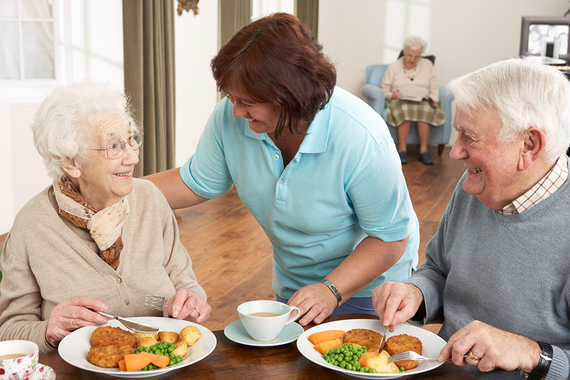
Nursing homes face the challenge of combining the special nutritional needs of older people with the principles of sustainability. As part of the SUNRISE project, a practical guide to promoting sustainable healthy eating in care facilities is being developed in close collaboration with staff and residents of a Caritas nursing home. Citizen scientists contribute their individual experiences to the data collection, evaluation, and interpretation processes, as well as to the development of the guide, thus ensuring that it is practical and tailored to everyday needs.

CONNECT

CONNECT - Evidence-Based Health Information

Many people find it difficult to correctly assess health information - it is often unclear which sources can be trusted and which content is actually reliable. In the Citizen Science project CONNECT, citizens and researchers work together to better understand how people evaluate the trustworthiness of health information.

Myo-REMOVE-Studie - adobestock.com

Effects of extracorporeal myoglobin removal in intensive care patients requiring dialysis with severe rhabdomyolysis

When muscle cells break down extensively, the substance myoglobin enters the bloodstream and can cause severe damage to the kidneys. Those affected often require dialysis. The Myo-REMOVE study is investigating whether specialised dialysis procedures are more effective at removing myoglobin from the blood than standard dialysis, and whether this can improve kidney recovery and the course of the disease. A total of 250 patients are taking part across 13 centres.

Gute Gesundheitsinformationen

Good health information at the University Hospital Graz

The project develops quality-assured, evidence-based and easy-to-understand health information for patients and their families. It is being implemented in collaboration between the Quality and Risk Management (QM-RM) Unit at the University Hospital Graz and the Research Unit for Safety and Sustainability in Health Care at the Medical University of Graz. Patients are actively involved in the development and evaluation of the information.

Onkomobil

OnkoMobil

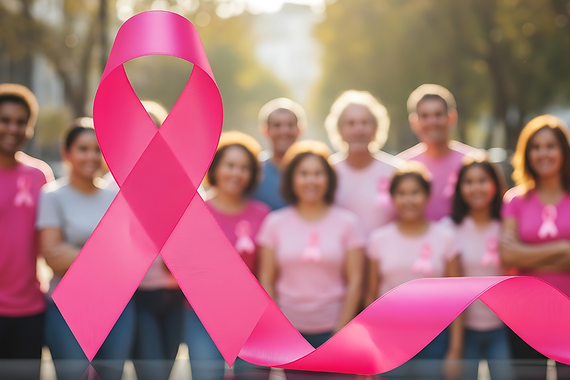
OnkoMobil – Digital-supported breast cancer aftercare with the active involvement of patients