Otto Loewi Forschungszentrum

Research focus: Chronic respiratory and pulmonary diseases

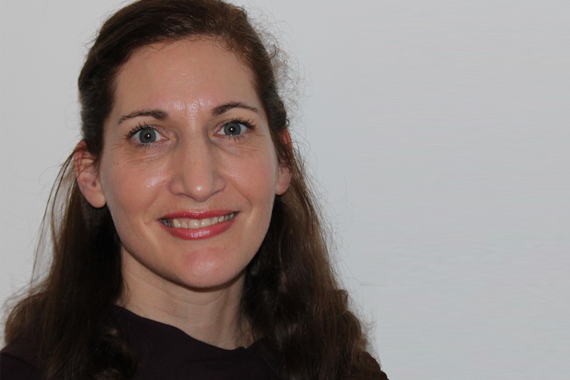
PI: Eva Böhm

Focus: Our group investigates the cellular and molecular mechanisms that drive bronchial asthma, chronic obstructive pulmonary disease (COPD), and pulmonary fibrosis, with a particular interest in the role of inflammatory cells in disease development and progression. A central theme of our work is understanding how dysregulated intracellular signaling and molecular circadian clock function shape inflammatory cell responses and contribute to persistent inflammation and remodeling in the lung. We are particularly interested in how these regulatory mechanisms change during disease and vary over the course of the 24-hour day. To address these questions, we combine flow cytometry, in vitro functional assays, and RNA sequencing (RNA-seq) with established in vivo disease models. The analysis of patient-derived material provides an important translational link, allowing us to investigate inflammatory cell phenotypes and molecular pathways across experimental systems and assess their relevance to human respiratory disease. Our long-term goal is to understand the time-dependent regulation of inflammatory responses in chronic respiratory diseases and to use this knowledge to identify novel pharmacological targets and opportunities for chronopharmacological and disease-modifying interventions.

Network: Our work brings together expertise from experimental pharmacology, respiratory medicine, fibrosis research, circadian biology, and clinical research. Within the Otto Loewi Research Center, we collaborate closely with the research groups of Akos Heinemann and Thomas Bärnthaler, particularly in the areas of lipid mediator biology and fibrosis research, as well as with Aitak Farzi for behavioral studies. The clinical dimension of our research is supported by close collaborations with Nikolaus Kneidinger, Philipp Douschan, and Katrin Milger-Kneidinger at the Division of Respiratory Medicine and with Alexandros Andrianakis at the Department of Otorhinolaryngology. These collaborations provide access to patient-derived material and strengthen the translational relevance of our experimental work. Internationally, we collaborate with Anne van der Does (PulmoScience Lab, Leiden University Medical Center, The Netherlands) and Robert Gurke (Goethe University Frankfurt, Germany), whose complementary expertise strengthens our research into chronic respiratory diseases, circadian biology, and the molecular mechanisms linking circadian regulation to disease.
Projects

Circadian regulation and treatment response in asthma

  • Asthma shows a distinct circadian pattern, with worsening respiratory symptoms during the night and increased eosinophilic inflammation in the early morning hours. These time-of-day-dependent changes suggest an important role for the molecular circadian clock in the regulation of asthmatic inflammation and disease activity.
    In this project, we investigate the molecular circadian clock in patients with asthma, with a particular focus on severe eosinophilic asthma and patients receiving biologic therapies. We examine circadian clock components in inflammatory cells and investigate their relationship with disease characteristics and treatment response.
    Our goal is to better understand the role of circadian regulation in asthma and to determine whether molecular clock signatures may serve as prognostic markers for treatment response, ultimately contributing to a more individualized and time-informed approach to asthma therapy.
    Duration: 2020–2026
  • Funded by: Medical University of Graz; GlaxoSmithKline (Investigator-Initiated Study, IIS funding)
  • Project partners: LThomas Bärnthaler (Division of Pharmacology); Nikolaus Kneidinger and Katrin Milger-Kneidinger (Division of Respiratory Medicine); Alexandros Andrianakis (Department of Otorhinolaryngology)

Circadian control of inflammation and fibrosis in chronic lung disease

  • Chronic obstructive pulmonary disease (COPD) and idiopathic pulmonary fibrosis (IPF) are progressive lung diseases characterized by chronic inflammation, tissue remodeling, and loss of lung function. Increasing evidence suggests that the molecular circadian clock contributes to the regulation of inflammatory responses, cellular homeostasis, and tissue remodeling, but its role in COPD and IPF remains incompletely understood. In this project, we investigate circadian clock function in blood-derived inflammatory cells and lung fibroblasts from patients with COPD and IPF. We examine how alterations in the molecular clock are linked to inflammatory and fibrotic cellular responses and assess their associations with clinical and demographic factors, including disease severity, age, sex, and treatment. Our goal is to identify disease-associated circadian signatures, better understand their contribution to COPD and IPF pathophysiology, and explore clock-regulated pathways as potential targets for pharmacological intervention.
  • Duration: 2024–2027
  • Funded by: Medical University of Graz (PhD program Molecular Medicine, MolMed); City of Graz
  • Project partners: Thomas Bärnthaler (Division of Pharmacology); Nikolaus Kneidinger (Division of Respiratory Medicine)

Division of Pharmacology

Eva Böhm 
T: +43 316 385 74103
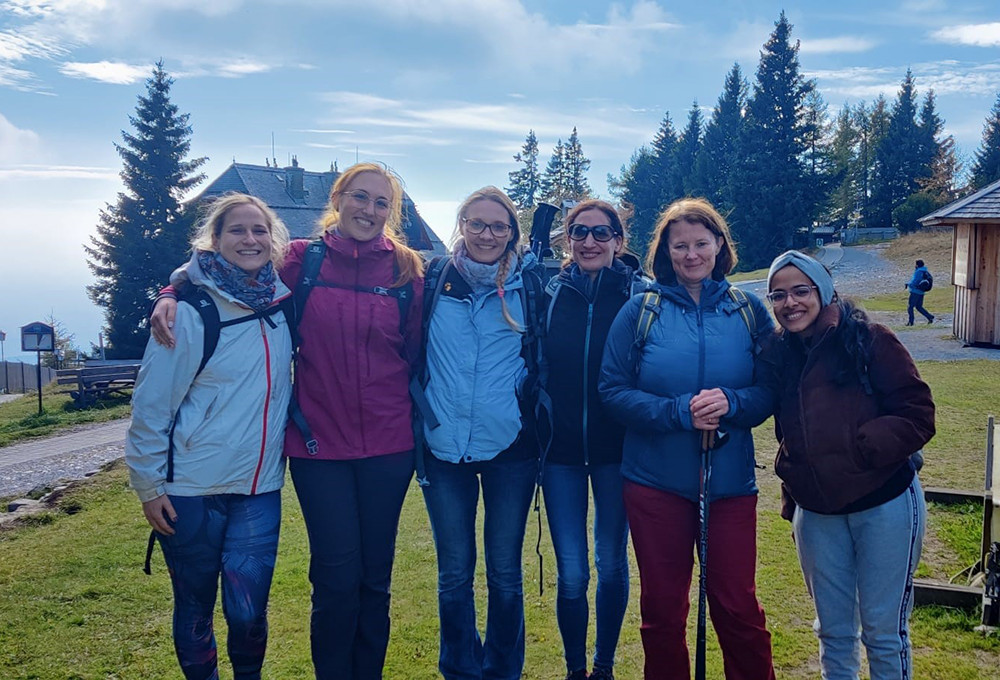
Forschungsteam Böhm