Mikrobiomforschung

ORF "Wissenswert"








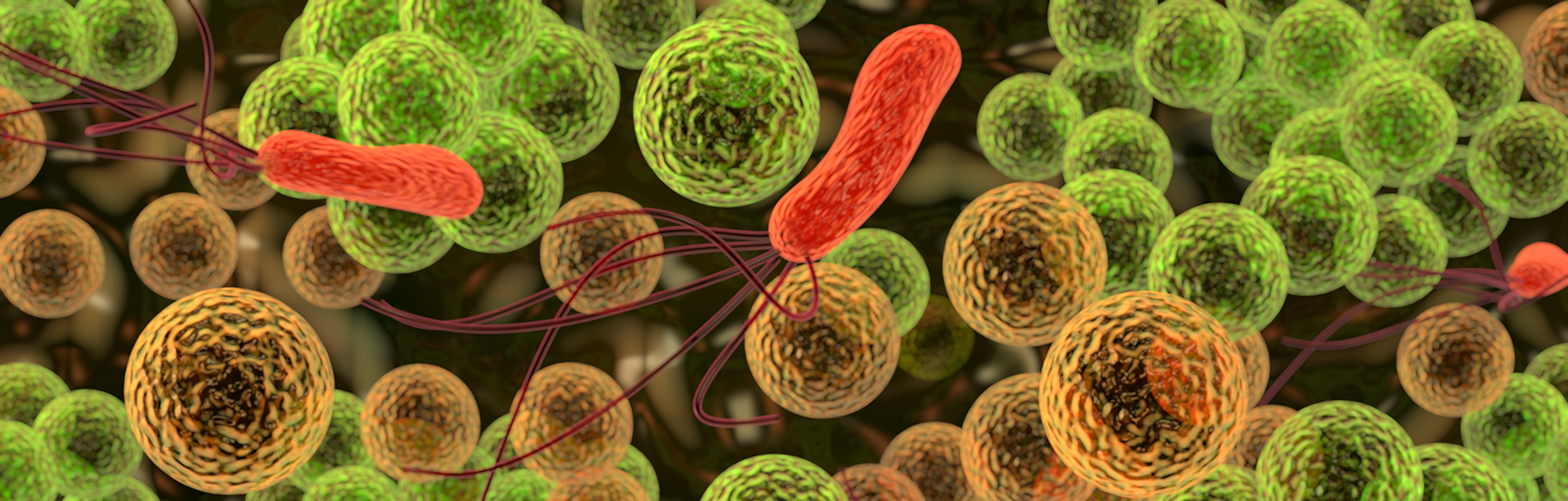
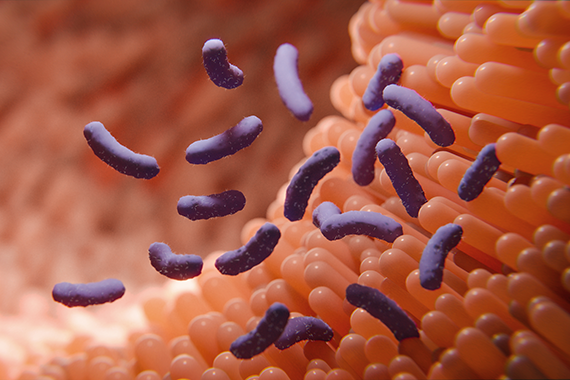
Our body houses more microorganisms than own cells. These are mainly found in the intestines, but also on the skin, in the mouth and in the airways. More microbes live on our skin alone than there are people on earth. The interactions with this so-called human microbiome are extremely important for health. Microbiome research is a relatively young field of research. Only with the development of new sequencing technology has it become possible to capture the complexity of the microbiome to a large extent.
The focus of our studies is on research into the human microbiome, in particular the intestines, skin and respiratory tract. Furthermore, we deal with the microbiomes of the environment (plants, interiors) and their interaction with the human body.
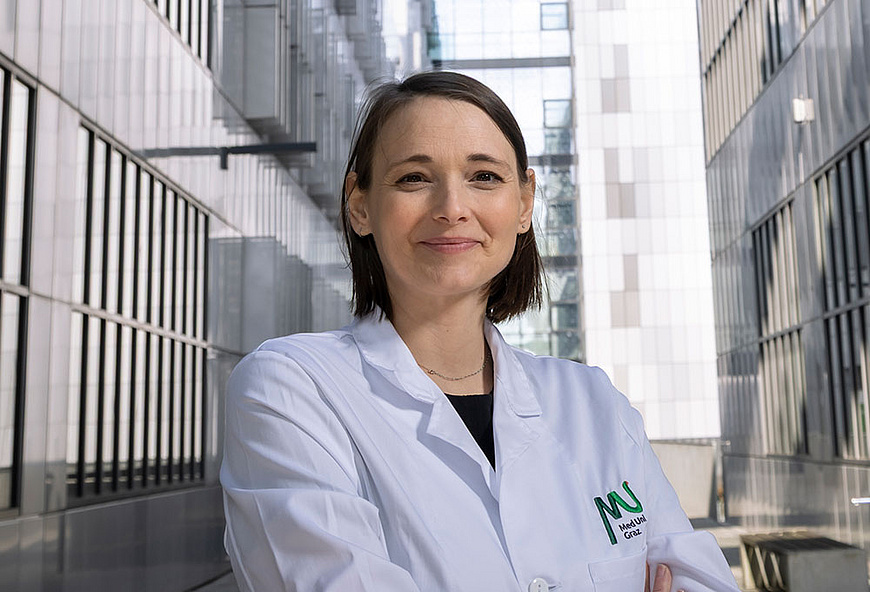
"Our research field brings together researchers from various disciplines who share a fascination with the role of microorganisms in health and disease. Together, we address clinically relevant questions with the aim of improving patients’ health and well-being."
Sabine Wagner-Lichtenegger, spokesperson of the research field