

Gesunde Ernährung

Video aus der Reihe "Wissenswert"






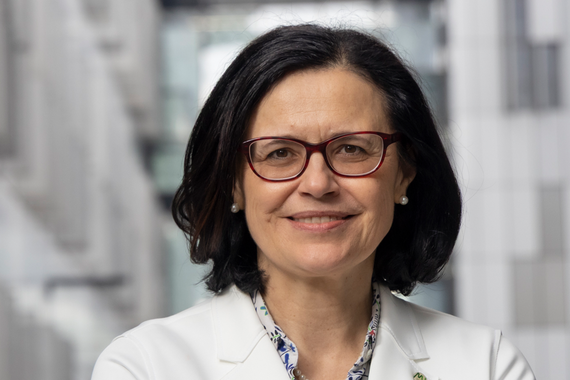
PI: Sandra Holasek
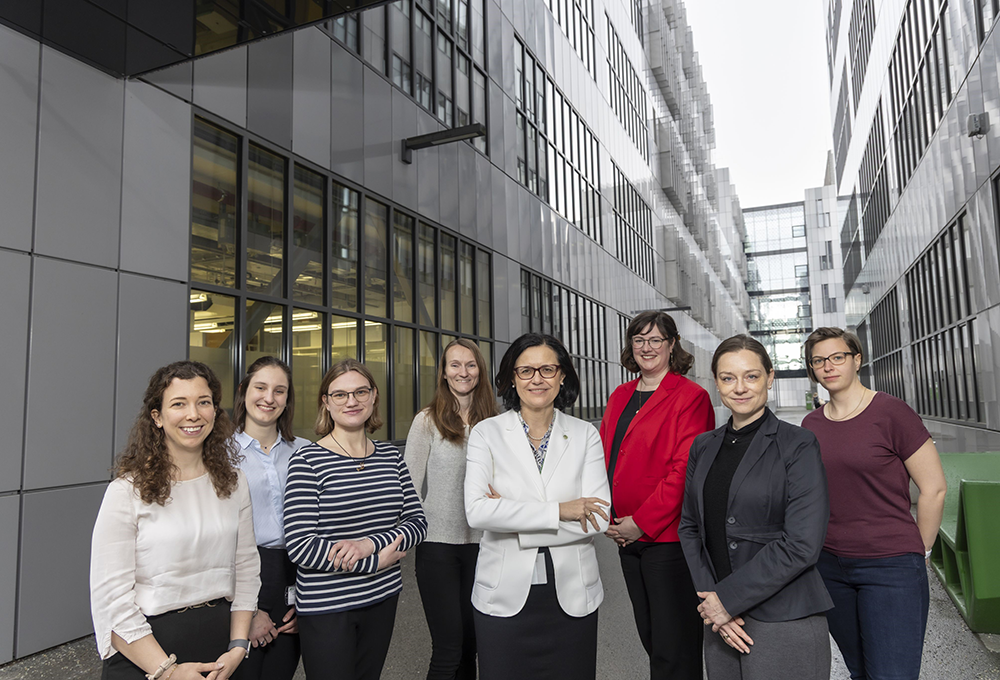
Focus: The “Translational Nutrition Research” unit addresses nutritional assessment in cases of eating disorders, mental health conditions, food intolerances, and athletes using various methods to standardize nutritional interventions, measure body composition, assess nutrient intake, and analyze relevant metabolites, with a focus on adipocyte biology. The role of plant-based compounds in nutritional immunometabolism is being investigated translationally in dendritic cells and T cells. Another focus is the influence of dietary quality and the gut microbiome on the immune system in relation to eating disorders, lifestyle, body fat, and age.
Networking: We conduct cross-team research at the Otto Loewi Research Center with Herbert Strobl (DC Models) and Johannes Fessler (Clinical Collectives), Gunther Marsche (Lipid Metabolism), Tobias Madl (Metabolomics), and at the Diagnostic & Research Center for Molecular Biomedicine with Christine Moissl-Eichinger (Microbiome Analytics). In addition, we are engaged in various interdisciplinary collaborations with the Clinical Departments of Medical Psychology, Psychosomatics, and Psychotherapy; the Clinical Department of Rheumatology; the Clinical Institute for Medical and Chemical Laboratory Diagnostics; the Institute of Sports Science; and the Institute of Psychology at the University of Graz and Graz University of Technology, as well as with FH Joanneum, the University of Vienna, and international partners.



The goal of this doctoral program is to investigate the pathophysiology of lifestyle-related diseases, gain insights into the mechanisms underlying chronic diseases, and elucidate how modifiable factors—such as physical activity/fitness or dietary habits—interact with non-modifiable factors, such as genetic predisposition. Research activities and the curriculum are designed to complement one another and enable students to acquire the fundamental principles of life sciences research, insights into the underlying causes of common lifestyle-related diseases, and specialized knowledge in the chosen field of their dissertation. The curriculum therefore includes, on the one hand, statistics, scientific metrics, and the fundamentals of laboratory methods, and on the other hand, aspects of physical activity, nutrition, anthropometry, endocrinology, surgery, and the interaction between genes and the environment in the development of diseases.
By resolution of the Curriculum Committee meeting 01/2025, the integrated curriculum in nutritional medicine was incorporated into the medical curriculum. This establishes nutritional medicine as an integral part of medical education, with the aim of introducing students to its fundamentals, diagnostics, and clinical aspects. The goal is to prepare future physicians for nutrition-related diseases and to strengthen their expertise in prevention and treatment. The “NutriMEDucation” Teaching Unit serves as a coordination and development platform for the structured implementation of the curriculum. It promotes interdisciplinary networking, facilitates coordination of content, and supports the transfer of knowledge between research, clinical practice, and teaching. Additionally, it ensures continuous quality development in teaching by integrating new scientific findings and optimizing teaching methods.